Is Your Home NEAT or Organised?
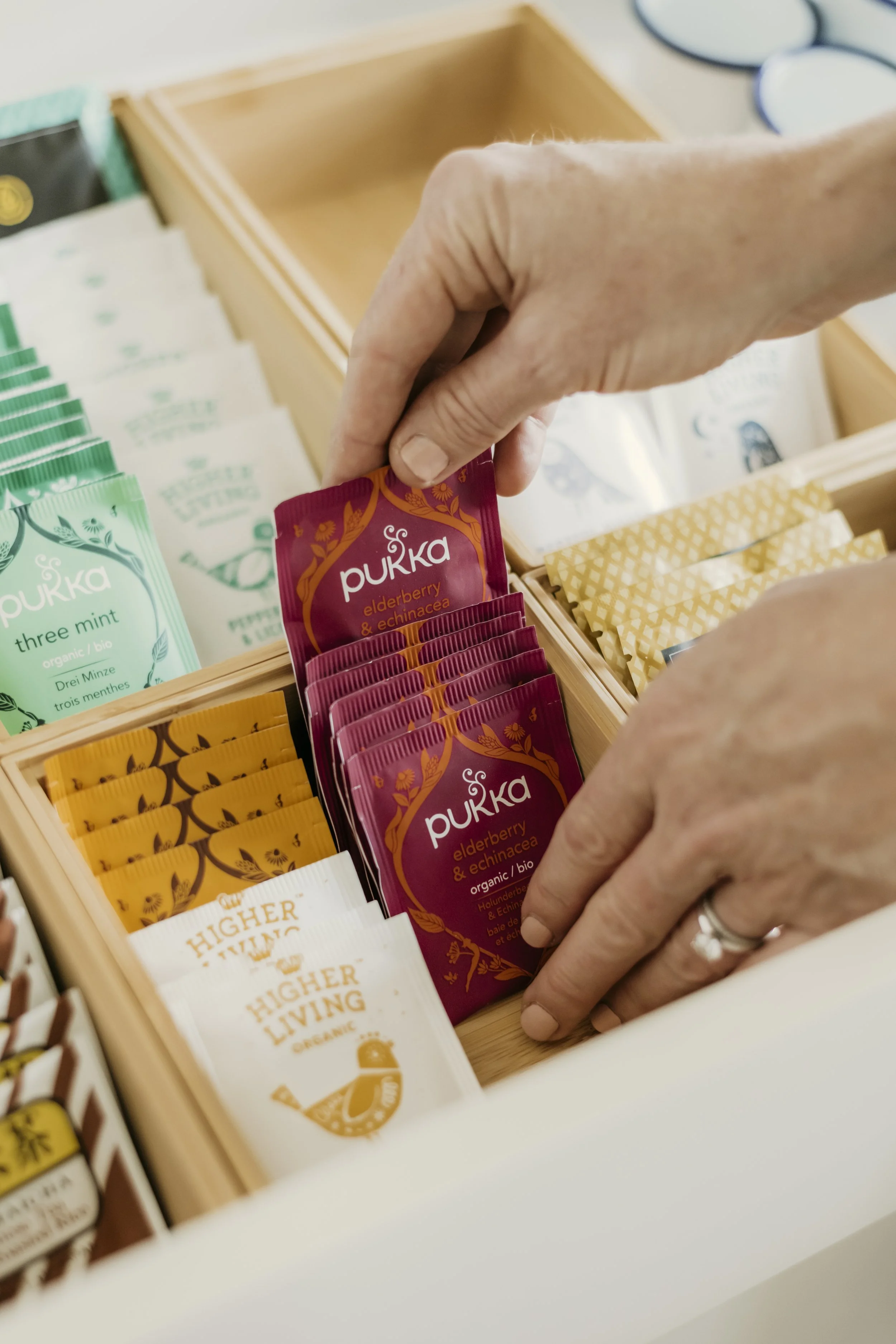
There’s a difference.
And if you’ve ever felt like you “should” be able to maintain one of those Pinterest-perfect pantries or perfectly folded drawers — this might be the clarity you didn’t know you needed.
The NEAT method (and its many aesthetic counterparts) has become a social media sensation.
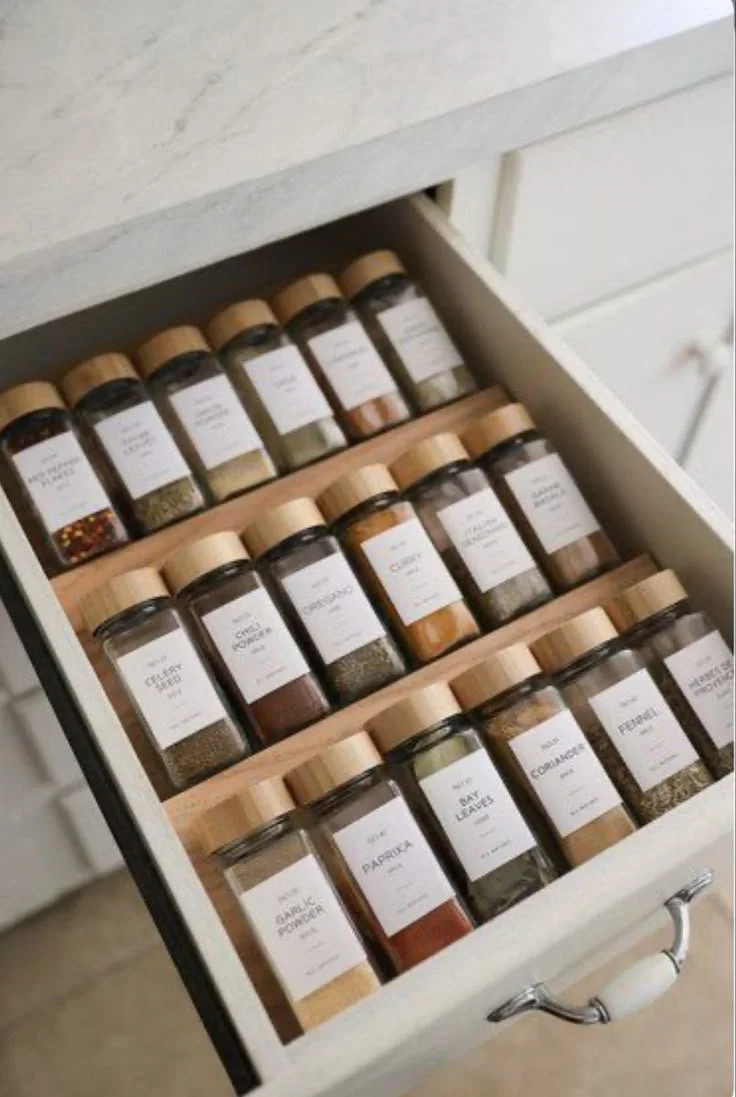
Rows of matching containers.
Decanted pantry goods.
File-folded clothing.
Perfect labels.And honestly? It’s captivating.
But here’s the question:
Is it organised… or is it just NEAT?
What Is the NEAT Method?
It refers to a highly aesthetic, precision-based organising style popularised across social media and by professional organisers — one that prioritises visual order, matching products, and meticulous placement.
It’s the style you see in:
Perfectly decanted pantries
Uniform containers and labels
Precisely folded drawers
Symmetrical, styled shelving
It’s visually satisfying. It feels controlled. And it’s undeniably appealing. But it’s built primarily around how a space looks — not necessarily how it functions in a busy, evolving family home.
Why NEAT Looks Good on Social Media
Net is aesthetic.
It photographs well.
It films well.
It feels controlled.
But many of these systems quietly rely on:
Precise decanting
Perfect folding
Micro-managed placement
Ongoing supervision
And often — one adult maintaining it all.
It can also encourage unnecessary consumption:
More containers.
More storage.
More product.
If you live in a metro area, groceries and household items are accessible within hours.
So why are we stocking our homes like retail stores?
Often, it’s aesthetic preparedness — not practical necessity.
And the cost?
To your wallet.
To the environment.
To your mental load.
Where the NEAT Method Falls Short for Families
In real homes, NEAT systems often fail because:
They rely on discipline instead of design
They assume routines stay consistent
They prioritise appearance over function
They require micromanaging possessions
When life gets busy (and it always does), the system collapses.
And you’re left thinking:
“Why can’t I keep this up?”
It’s not you.
It’s the system.
Organised vs NEAT: What’s the Difference?
NEAT is about visual order.
Organised is about functional flow.
NEAT requires precision.
Organised requires clarity.
NEAT is maintained by control.
Organised is sustained by environment.
NEAT often falls to one person.
Organised allows everyone to contribute.
And that’s where my method differs.
The Sweet Spot
This isn’t about one method being right or wrong.
There are seasons and spaces where a more styled, precise system feels supportive.
A beautifully folded baby drawer when you’re nesting.
A decanted baking shelf because you genuinely love to cook.
A guest bathroom styled with intention.
The key is this:
It must serve you — not the other way around.
If a system requires constant maintenance, excessive purchasing, ongoing supervision, or one person carrying the load, it stops being supportive.
Your home aesthetic should add joy — Not pressure.
Organisation should flex with your life — not demand perfection everywhere.
Real-Life Examples: NEAT vs Flow
Toy Clean-Up
NEAT:
Each toy has a perfectly designated place (often by colour). Kids must sort precisely. It requires constant supervision.
Organised (Flow):
Broad zones — blocks, art, soft toys. Kids can independently return items without micromanagement. Done > perfect.
Pantry Organisation
NEAT:
Everything decanted into matching containers and labelled meticulously. Maintenance heavy.
Organised (Flow):
Broad zones — snacks, staples, lunchbox items. Easy to grab, easy to return. No decanting required.
Putting Away Laundry
NEAT / Marie Kondo:
Every garment file-folded precisely and placed perfectly. Realistically maintained by one adult.
Organised (Flow):
Clothes categorised into designated drawers or baskets (tops, bottoms, socks). Folding optional. Anyone can put washing away. The system survives busy weeks.
How to Create an Organised Home That Actually Lasts
The foundation of sustainable organisation is this:
Your environment should support effortless habits.
It needs to be:
As easy to put away as it is to put down
Intuitive
Flexible
Forgiving
When friction is removed, consistency follows.
When systems are shared, the load lightens.
When your home flows, it feels calm — not controlled.
A NEAT home looks good.
An organised home works.
If you’re ready for a home that functions beautifully on your busiest days — that’s exactly what I help create.
Practical. Not perfect. Designed for real life.